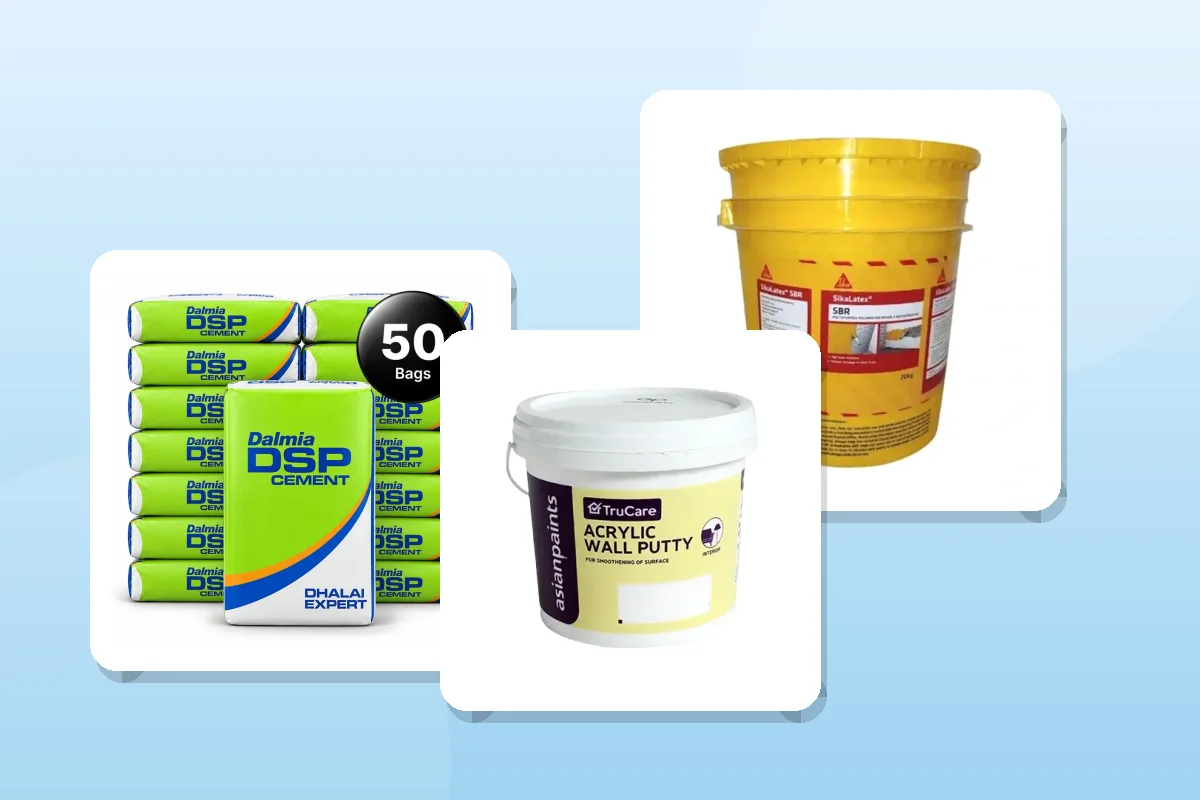
Waterproofing basics for bathrooms, terraces and walls
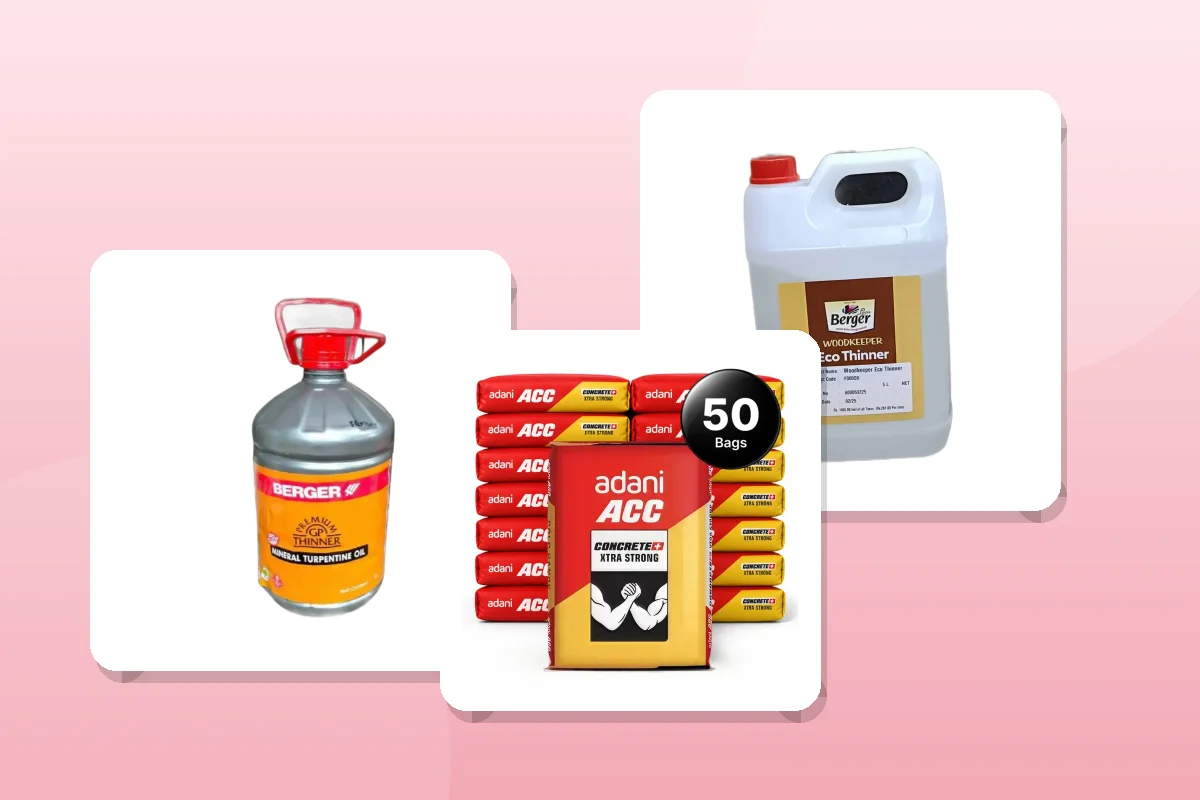
Water finds the smallest gap. A hairline crack in a terrace or a missed corner in a bathroom can lead to seepage, stained ceilings, peeling paint and damaged plaster. Waterproofing is far easier to do properly during construction than to fix later.
Where to waterproof
- Bathrooms and wet areas: the floor, the junction between floor and walls, and the lower part of walls around showers.
- Terraces and balconies: the entire surface, with a proper slope to drains.
- Sunken slabs and tanks: any area that holds water.
- External walls: where rain exposure causes dampness.
Common systems
- Cementitious coatings: easy to apply and well suited to bathrooms and tanks.
- Polymer-modified or acrylic coatings: flexible, good for terraces and walls that may crack slightly.
- Membranes: used on large exposed terraces where long-term performance matters.
Getting it right
- Repair cracks and holes and clean the surface of dust and oil.
- Round off corners and treat pipe penetrations carefully, because leaks often start there.
- Apply the coating in the number of coats and thickness specified by the manufacturer.
- Cure, then flood test the area for 24 to 48 hours before tiling.
Choose products from reputed brands and follow the manufacturer's instructions closely. The product matters, but the surface preparation matters just as much.