Tile adhesive or cement mortar? How to fix tiles properly
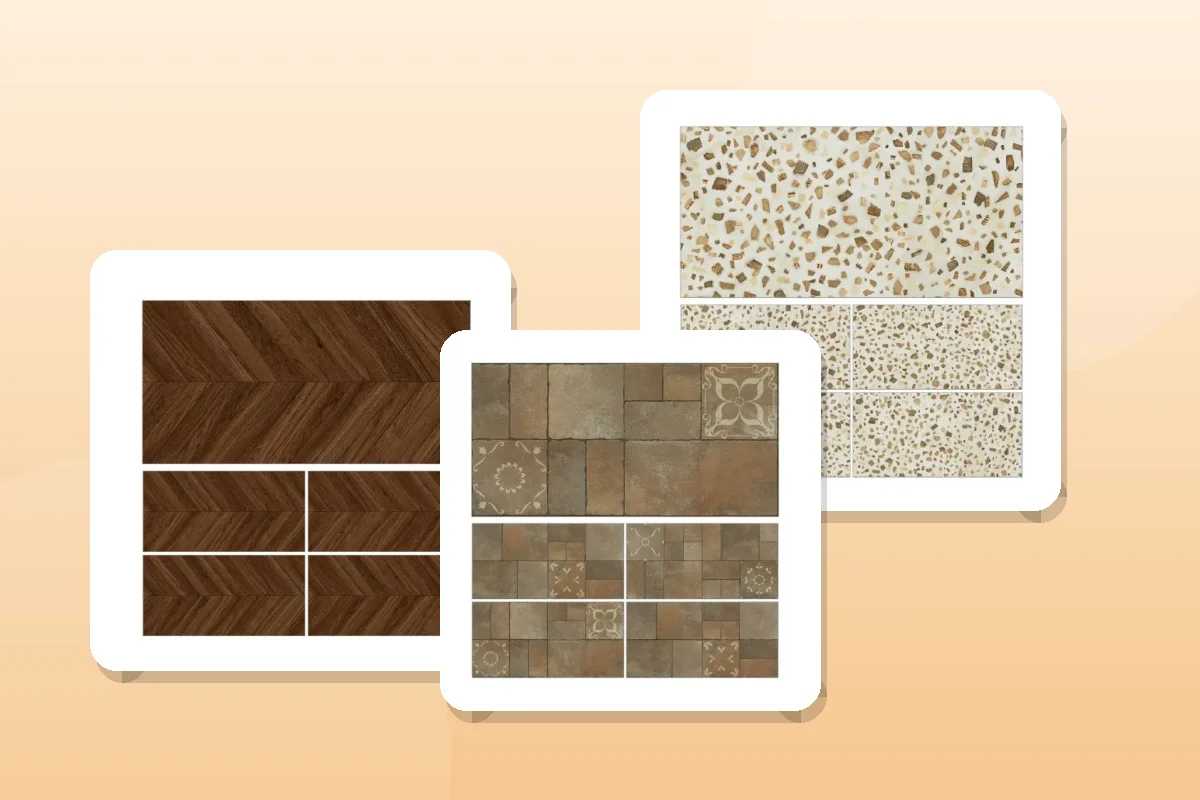
Tiles are only as good as the bed they sit on. A beautiful tile fixed badly can sound hollow, crack or pop off within a year. The fixing material makes a big difference.
Cement mortar
Traditional sand-cement mortar is a thick bed, usually fine for small, absorbent tiles on a well-prepared floor. It is cheap, but it takes skill to get an even bed, and it can leave gaps under the tile.
Tile adhesive
Polymer-modified tile adhesive is applied in a thin, even layer with a notched trowel. It bonds better to low-absorption tiles such as vitrified, porcelain and large-format tiles, and it helps keep the surface level. Use it for walls, bathrooms, kitchens and any area where bond strength matters.
Preparation checklist
- The base must be clean, firm, level and free of dust, oil and loose material.
- Check the base for the required slope towards drains in wet areas.
- Use the trowel size recommended for your tile size. Larger tiles need a deeper notch.
- For big tiles, also apply adhesive to the back of the tile (back-buttering) to avoid hollow spots.
Spacers and grout
Leave uniform joints with spacers so tiles can move slightly with temperature changes. After the adhesive has set, fill the joints with grout, and use an epoxy or water-resistant grout in wet areas.
Always follow the adhesive manufacturer's instructions for open time, setting time and how long to wait before walking on the tiles.