OPC vs PPC cement: which one should you buy?
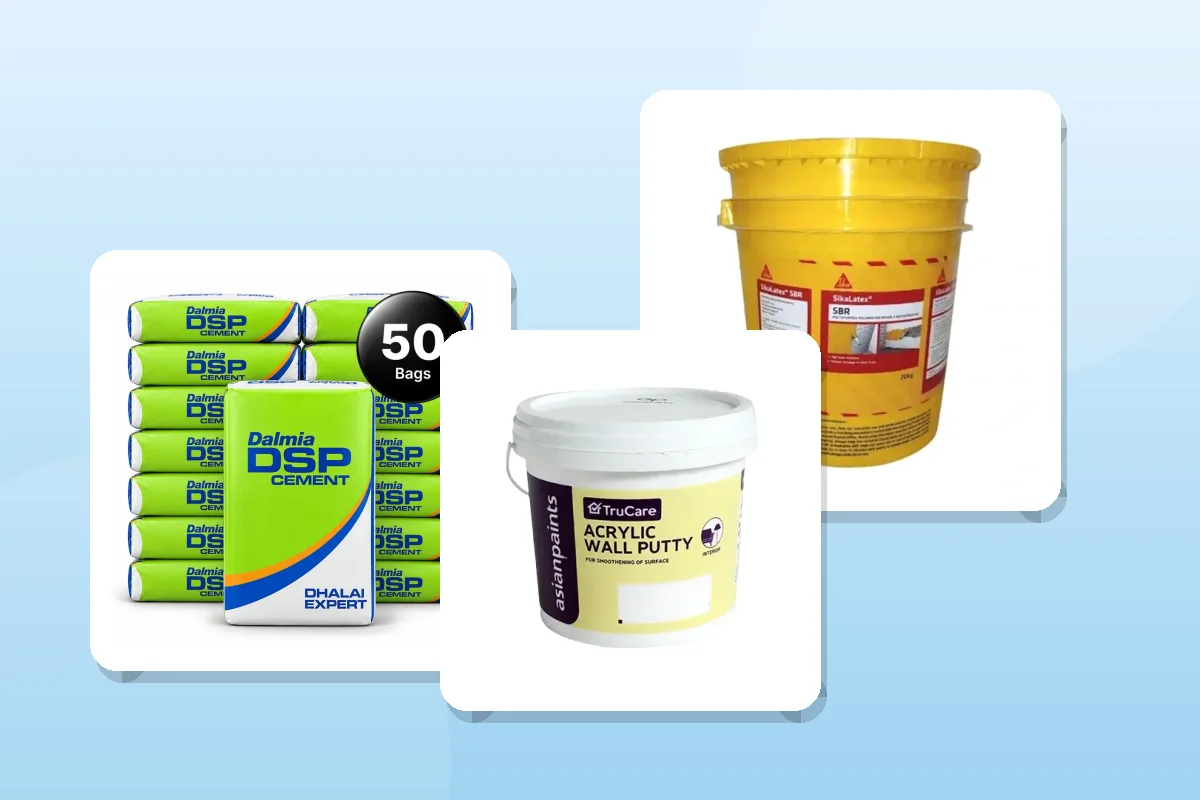
Walk into any building material shop and the first question is usually "OPC or PPC?" Both are good cements, but they behave differently, and the right pick depends on what you are building.
What is the difference?
OPC (Ordinary Portland Cement) is made from clinker and gypsum. It gains strength quickly, which is why it is popular for work that needs early strength, such as precast elements, columns and slabs that must be de-shuttered soon.
PPC (Portland Pozzolana Cement) blends clinker with fly ash or a similar pozzolanic material. It gains strength more slowly, but it generates less heat, resists chemical attack better and gives a smoother finish for plaster and masonry.
Which one for which job?
- Foundations and mass concrete: PPC is a sensible choice because of its lower heat of hydration and better durability in damp soil.
- Columns, beams and slabs: OPC 43 or 53 grade is common where early strength matters. Many builders also use PPC with proper curing.
- Plastering and brickwork: PPC gives a workable, cohesive mix and a finer finish.
- Precast and quick-turnaround work: OPC 53 grade is usually preferred.
Things to check before buying
- The bag should clearly show the grade, batch number and packing date. Cement loses quality with age, so choose fresh stock.
- Store bags off the ground, away from walls, and keep them covered and dry.
- Ask your structural engineer for the grade and type to use. The drawing or specification should decide, not habit.
Buying cement for a larger site? Order in bag multiples, plan deliveries around your pour schedule, and keep a small buffer rather than storing weeks of stock.